10 day Peru itinerary: Lima, the Sacred Valley, Machu Picchu and Cusco, in the right order
This is the ten-day route we actually build for travelers, day by day — not a listicle of everything Peru has, but one coherent trip in the order altitude rewards. Toggle it below for couples or families, in three styles, and open any day to see what it holds. When it looks like yours, take it into the planner and shape it.
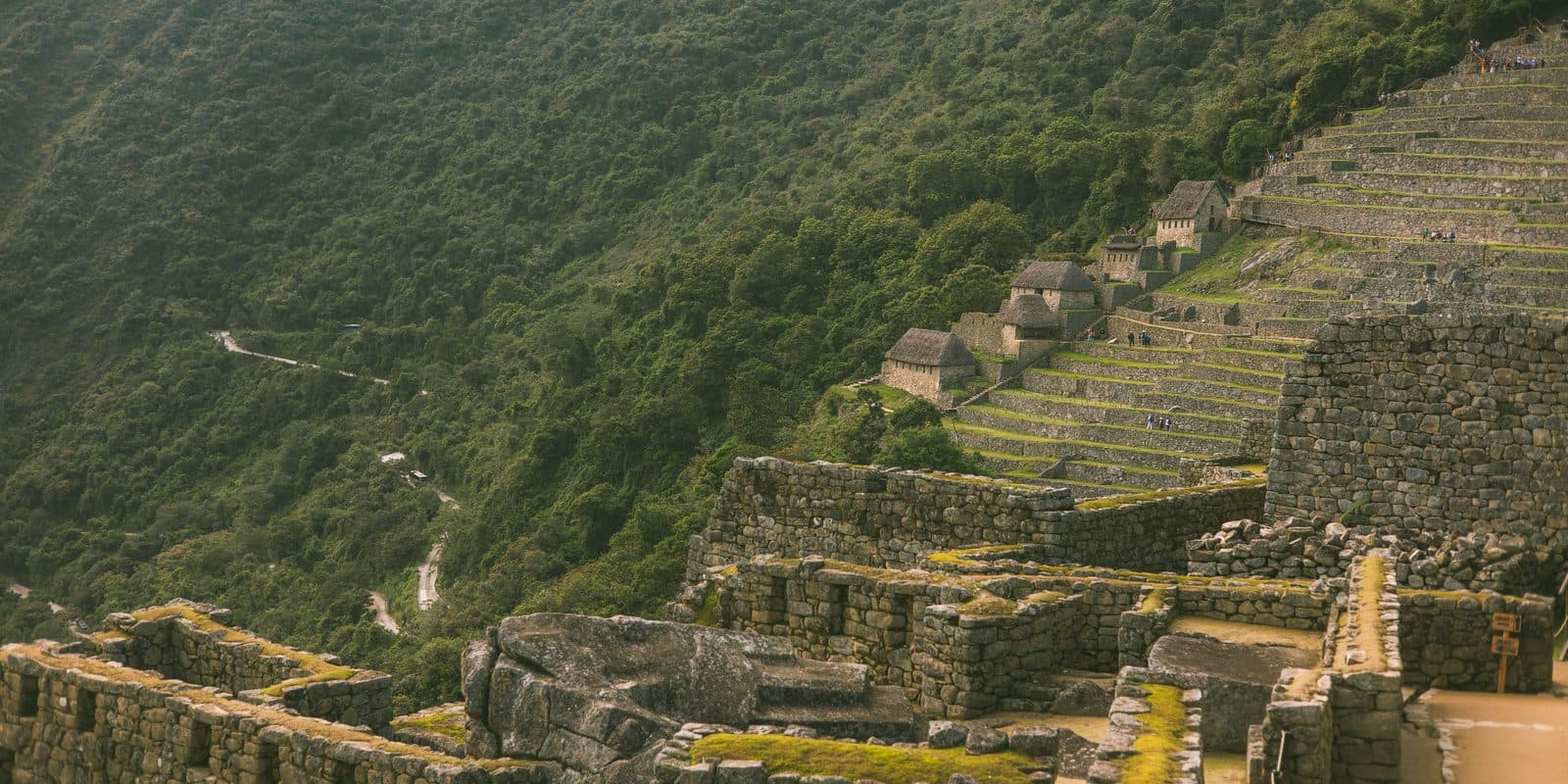
Why this order works: the altitude does the planning
Nearly every Peru itinerary that goes wrong goes wrong the same way: it treats Cusco as the base camp and the Sacred Valley as a day trip. Geography says otherwise. Cusco sits at roughly 3,400 meters; the floor of the Sacred Valley sits five hundred meters lower, at about 2,800. Those five hundred meters are the difference between a first Andean night spent sleeping and a first Andean night spent staring at the ceiling with a headache, wondering if you should cancel tomorrow.
So this itinerary lands you in Lima at sea level, gives the coast two days of food and architecture while your body enjoys the oxygen, then flies you to Cusco — and drives you straight down to the valley without stopping to unpack. You sleep low. You walk terraces and markets at the gentlest altitude the region offers. Machu Picchu, which sits lower still at about 2,430 meters, comes next, reached by train from the valley side. Only then, with days of acclimatization behind you, does the route climb to Cusco itself and stay there — when the city's steep streets have become a pleasure instead of a test.
The same logic is written into our Sacred Valley vs. Cusco guide, and it is the reason the day-by-day below never needs a recovery day: recovery is built into the shape of the trip. The order is not a preference. It is the plan.
The itinerary, day by day — pick who travels and how
The plan below is generated by the same engine that builds trips in our planner, from the same day templates our local team operates. Choose your travel party and style; every variant keeps the order and the acclimatization logic intact. Open any day for its story and its experiences.
The classic ten days for two: shared-service days with other travelers where it makes sense, private transfers where it matters, and 3-star boutique stays. This is the route most first-time couples end up choosing — every essential, nothing padded.
The same skeleton, tuned for two adults: private service throughout, 4-star character hotels, a signature Sacred Valley day and evenings that end at a table instead of a bus. Built only for couples — it is the one door on this page that never takes children.
Ten days, fully private, 5-star from the coast to the Andes: the finest rooms in each place, the panoramic train, and days that begin when you want them to. The order stays identical — luxury here is depth and ease, not detours.
The family version of the classic: same order, same acclimatization logic, gentler days. Markets and terraces where kids can move, hotels that understand early dinners, and an itinerary that never stacks two big outings on the same day.
The private, 5-star family trip: your own guide and vehicle every day, hotels with pools and connecting rooms, and a pace that lets a nine-year-old nap after Machu Picchu without breaking the plan. The skeleton is untouched; the comfort is total.
Day 1 · Lima
Arrival in Lima
You land in Lima: we'll be waiting at the airport with a YouAskWePlan sign to take you to your hotel. The first night is for landing.
Day 2 · Lima
Lima city tour
The city introduces itself: Casa Aliaga, the Cathedral and the Larco Museum — in shared service with other travelers.
Day 3 · Sacred Valley
Maras and Moray
Flight from Lima to Cusco (referential fare included) and straight into the Sacred Valley: the Maras salt ponds and the Moray terraces welcome you on the way to your hotel. You sleep in the Valley, at 2,800 m — the best way to acclimatize.
Day 4 · Sacred Valley
Chinchero, Yucay & Ollantaytambo (shared)
A full day in the Valley: the Chinchero terraces, the Living Museum of Yucay and the Ollantaytambo fortress — in shared service with other travelers.
Day 5 · Sacred Valley
Pisac & its market
Pisac unhurried: its artisans' market and the terraces that crown the valley, with the afternoon free for the Valley.
Day 6 · Cusco
Machu Picchu
The big day: a pre-dawn departure from the Valley to Ollantaytambo, train to Machu Picchu and the citadel with a site guide. In the afternoon, the return train and transfer to your hotel in Cusco — you sleep in the city that night.
Day 7 · Cusco
Cusco city tour
Cusco for a full day: the Coricancha, the Cathedral and Sacsayhuamán — in shared service with other travelers, the imperial city as a farewell.
Day 8 · Cusco
Humantay Lagoon
Humantay Lagoon: a full-day hike to the turquoise water at the foot of the glacier.
Day 9 · Cusco
The kitchen of Cusco
Cusco through its kitchen: the stalls of the San Pedro market, a chocolate workshop with cacao from the Lares valley, and a table of Andean classics — rocoto relleno, adobo, pastel de choclo — in a small place that keeps its own pisco.
Day 10 · Cusco
Return flight
Return flight to Lima (referential fare included) for your connection home. We'll be waiting at your hotel with a YouAskWePlan sign to take you to the Cusco airport.
Day 1 · Lima
Arrival in Lima
You land in Lima: we'll be waiting at the airport with a YouAskWePlan sign to take you to your hotel. The first night is for landing.
Day 2 · Lima
Lima city tour + Three-course dinner at Huaca Pucllana Restaurant
Lima for a full day and, as evening falls, a table for two facing the lit Huaca Pucllana: a seventeen-hundred-year-old adobe pyramid as your dinner view.
Day 3 · Lima
Barranco, anticuchos & picarones
Barranco in the afternoon: anticuchos, picarones and the boardwalk — the Lima you eat on the street.
Day 4 · Sacred Valley
Maras and Moray + Picnic lunch from Cicciolina Restaurant in Maras or Huaypo
Flight from Lima to Cusco (referential fare included) and straight into the Valley: the Maras salt ponds and the Moray terraces on the way, with a Cicciolina picnic laid out among the terraces. You sleep in the Valley, at 2,800 m.
Day 5 · Sacred Valley
Chinchero, Yucay & Ollantaytambo + Signature lunch & the Alqa museum
A day in Ollantaytambo: the Chinchero terraces and the Living Museum of Yucay in the morning, a signature lunch at the Alqa museum, and the fortress that crowns the town to close the afternoon.
Day 6 · Sacred Valley
Awanacancha and the Pisac market
Awanacancha and the Pisac market: first the llamas and alpacas with the weavers who show where the colour comes from, then the market, early, while it still belongs to the townspeople.
Day 7 · Cusco
Machu Picchu
The big day: a pre-dawn departure from the Valley to Ollantaytambo, train to Machu Picchu and the citadel with a private guide. In the afternoon, the return train and transfer to your hotel in Cusco — you sleep in the city that night.
Day 8 · Cusco
Private half-day horseback riding tour around Cusco + Three-course dinner at Pachapapa Restaurant
Cusco on horseback, a private half day: you climb above the city to the ruins almost nobody walks, red rooftops below. At night, a table at Pachapapa, in a San Blas courtyard with a clay oven.
Day 9 · Cusco
Earth offering ceremony
The offering to the earth with an Andean elder: coca leaves, seeds and llama fat in a bundle that is built and then burned. It isn't a show — it's what families still do every August.
Day 10 · Cusco
Return flight
Return flight to Lima (referential fare included) for your connection home. We'll be waiting at your hotel with a YouAskWePlan sign to take you to the Cusco airport.
Day 1 · Lima
Arrival in Lima
You land in Lima: we'll be waiting at the airport with a YouAskWePlan sign to take you to your hotel. The first night is for landing.
Day 2 · Lima
Lima city tour
The city introduces itself: Casa Aliaga, the Cathedral and the Larco Museum, unhurried.
Day 3 · Sacred Valley
Maras and Moray
Flight from Lima to Cusco (referential fare included) and straight into the Sacred Valley: the Maras salt ponds and the Moray terraces welcome you on the way to your hotel. You sleep in the Valley, at 2,800 m — the best way to acclimatize.
Day 4 · Sacred Valley
Chinchero, Yucay & Ollantaytambo + Signature lunch & the Alqa museum
A day in Ollantaytambo: the Chinchero terraces and the Living Museum of Yucay in the morning, a signature lunch at the Alqa museum, and the fortress that crowns the town to close the afternoon.
Day 5 · Sacred Valley
Huilloc & Pumamarca, the weaving community
Huilloc and Pumamarca with a weaving demonstration: the community almost nobody visits, one valley away from everyone's route.
Day 6 · Cusco
Machu Picchu
The big day: a pre-dawn departure from the Valley to Ollantaytambo, train to Machu Picchu and the citadel with a private guide. In the afternoon, the return train and a private transfer to your hotel in Cusco. If you'd like the Hiram Bingham luxury train, we coordinate it with you.
Day 7 · Cusco
Cusco city tour
Cusco for a full day: the Coricancha, the Cathedral and Sacsayhuamán — the imperial city as a farewell.
Day 8 · Cusco
Humantay Lagoon
Humantay Lagoon: a full-day hike to the turquoise water at the foot of the glacier.
Day 9 · Cusco
Cooking class at Marcelo Batata
A cooking class at Marcelo Batata, at the school's shared table: you cook what you then eat for lunch, with the chillies and tubers that exist only here and that nobody knows how to use the first time.
Day 10 · Cusco
Return flight
Return flight to Lima (referential fare included) for your connection home. We'll be waiting at your hotel with a YouAskWePlan sign to take you to the Cusco airport.
This plan opens on your canvas exactly as you see it: move days, remove or add experiences, and the total appears once you pick your dates.
Looking for treks, mountains and more adrenaline? That's a different rhythm, not a variant of this plan: meet the Adventure door.
The route at a glance: where you sleep matters most
If you remember one table from this page, make it this one. Where you sleep each night is the quiet architecture of the whole trip — it decides how you feel every morning after.
| Days | Where you are | Where you sleep | Altitude of your bed |
|---|---|---|---|
| 1–2 | Lima — Miraflores, Barranco, the historic center | Lima | Sea level |
| 3–5 | Sacred Valley — Pisac, Maras, Moray, Ollantaytambo | Urubamba area | ≈ 2,800 m |
| 6 | Machu Picchu — full day at the citadel | Cusco | ≈ 3,400 m |
| 7–9 | Cusco — San Blas, the cathedral, San Pedro market | Cusco | ≈ 3,400 m |
| 10 | Flight to Lima, connection home | — | — |
Notice what never happens: you never sleep higher before you have slept lower first. Machu Picchu day ends in Cusco because the citadel does not really sleep — the town at its feet is a transit stop, and the evening train delivers you to a far better dinner. That single decision, valley first and Cusco after, is what lets day seven begin with coffee instead of coca tea for the headache.
Traveling as a couple vs. traveling as a family
The toggle above changes less than you might expect, and that is deliberate. Altitude does not care how old you are, so the skeleton — Lima first, valley before Cusco, Machu Picchu from the valley side — is identical for both. What changes is the texture of the days.
Couples get days that run a little longer and end a little later: a sunset mirador, a slow dinner in Barranco, the flexibility to add a second ruin in the afternoon because nobody needs a nap. Families get the same landmarks with more air between them. One anchor activity per day, mornings for terraces and markets where children can move and touch things, afternoons that can absorb a pool hour without guilt. Hotels shift toward family rooms and early kitchens. Nothing essential is removed — a nine-year-old deserves Machu Picchu exactly as much as you do — but nothing is stacked, either.
One honest note on the styles: the Romantic door is designed strictly for two adults — private tables, quiet hotels, evenings that assume no bedtime but yours. Choosing the family toggle simply sets it aside rather than pretending it bends. Families choose between the Classic and Luxury doors, both of which take children beautifully.
The three doors: same route, three ways to live it
Every style below follows the identical ten-day order. What you are choosing is not where to go but how it feels to go — who else is around you, where you sleep, and how much of the day bends to your preferences.
| Classic | Romantic | Luxury | |
|---|---|---|---|
| Service | Shared-service days with other travelers; private airport pickups | Private throughout | Private throughout, start to finish |
| Hotels | 3-star boutique | 4-star with character | 5-star, the best address in each place |
| Train to Machu Picchu | Panoramic-window service | Panoramic-window service | Vistadome, both directions |
| Rhythm | Full days, efficient | Unhurried, evenings protected | Yours — days start when you say |
| Who it fits | First-timers who want everything essential | Two adults, only | Couples and families who want zero friction |
What none of the doors changes: the order, the acclimatization, the full day at Machu Picchu, or the promise that a person from our local team confirms every detail with you within 48 hours of securing your dates.
Only have a week? What to cut — and what never to cut
With seven days, the answer is not to run this route faster. It is to run a shorter route at the same humane pace — drop to one Lima day, two valley nights, and two Cusco days. We keep that version as its own plan: the 7 day Peru itinerary is exactly this skeleton, compressed honestly — and when the calendar will not yield even seven, the 5 day version holds the bare arc and says plainly what it gives up. What never gets cut, at any length: sleeping in the valley before sleeping in Cusco, and giving Machu Picchu a whole day. An itinerary that trims those two things saves hours and spends them back double in headaches and queues. If you are still deciding how long to stay, our guide to how many days you need in Peru walks the trade-offs length by length.
Have more time? Where days eleven to fourteen go
Two extra days turn this into the two-week Peru itinerary, and they go to depth, not distance: a free valley day for the salt terraces you drove past too quickly, a Cusco day with no plan at all — the day most travelers later call their favorite. Four extra days opens real options: the Amazon from Puerto Maldonado, Rainbow Mountain with proper acclimatization behind you, or Arequipa and the Colca canyon. If your appetite runs to trekking — the Inca Trail, Salkantay, ausangate country — that is a different rhythm altogether, and it lives behind our Adventure door rather than inside this route.
Getting to Machu Picchu: the one day you should not improvise
There is no road and no airport at Machu Picchu — the citadel is reached by rail, and on this itinerary the train leaves from Ollantaytambo, at the valley's western end, which is precisely why sleeping in the valley the night before is such an advantage: you board twenty minutes from your hotel while day-trippers from Cusco have already been traveling for two hours. The full mechanics — routes, stations, what the trains are actually like, and the walk up from Aguas Calientes — live in our guides to how to get to Machu Picchu and the trains to Machu Picchu; the entry itself — circuits, daily quotas, how far ahead to secure it — has its own dated guide in Machu Picchu tickets. The short version: book the mid-morning window, carry your passport, and let the guide handle the circuit — the rules inside change often enough that improvising costs real time.
Where you sleep, and why the valley is the trick
The Sacred Valley is not a stop on the way to Machu Picchu. It is the heart of the trip wearing a supporting actor's costume: the best ruins outside the citadel, the markets with the fewest elbows, and the region's kindest sleeping altitude. Three nights around Urubamba give you Pisac's terraces, the salt pans of Maras, the circular laboratory of Moray and the living Inca town of Ollantaytambo — each under an hour from your bed. If you want to understand what the valley actually is before you go, our Sacred Valley guide draws the full map. In Cusco, the itinerary favors the San Blas and center districts: steep, beautiful, and close enough to everything that afternoon breaks cost nothing.
When to take this trip
The order of this itinerary does not change with the calendar — only the sky does. May through September is the dry season: brilliant light, cold nights, peak crowds at the citadel. April and October are the in-between months we quietly recommend to couples: green hills and thinner queues. November through March brings afternoon rain and the valley at its greenest; February is the wettest and the month the Inca Trail closes for maintenance, though the citadel itself stays open. Full month-by-month detail lives in the best time for Peru. Whatever the season: book Machu Picchu early, and let the rest of the trip breathe.
What this trip costs — and where to see it
You will notice this page shows no figures, and that is a decision, not an oversight. A trip like this moves with your dates, your hotel style, your party and your season — a single number printed here would be either padded or wrong. The honest way to see the cost of Peru at every level lives in our Peru trip cost guide and the deeper budget breakdown. And the exact total for this itinerary, in your style and your dates, is one tap away: take the plan into the planner, pick your dates, and the number appears — before you commit to anything, and confirmed with you by a person within 48 hours.
The two days most itineraries get wrong
The first is Lima's second day. Most plans treat Lima as an airport with ceviche and flee north after one night — and then spend the rest of the trip slightly tired, because the flight to Cusco plus the drive to the valley plus the excitement is simply a lot to stack on jet lag. The second Lima day is not padding. It is the coastal walk from Miraflores into Barranco, the Larco Museum's gold rooms when your brain is still fresh enough to be amazed, and the best food city in the hemisphere at sea level, where your appetite still works at full size. Travelers who skip it almost always tell us later they wish they had not.
The second is the unscheduled Cusco day near the end. On paper it looks like a hole; in practice it is where the trip becomes yours. It is the morning you go back to the market you rushed through, the workshop in San Blas you noticed on day seven, the second coffee on a balcony over the plaza with nowhere to be. We plan it as empty on purpose, and we defend it: a ten-day trip with ten planned days is an itinerary; a ten-day trip with nine planned days and one free one is a story you will actually tell.
What you will actually eat, day by day
Peru's kitchen deserves better than a paragraph, but here is how it maps onto this route. Lima is the fine-dining and cevichería capital — eat raw fish at lunch, when it is freshest and the kitchens are proudest, and save the tasting-menu ambition for your second night. The Sacred Valley is corn, trout and wood-oven country: giant choclo kernels with fresh cheese beside the Pisac terraces, river trout done simply, and — if your timing lands on a market morning — fruit you will not be able to name. Cusco is where the Andes cook for altitude: quinoa soups that fix cold evenings, slow-roasted lamb, alpaca done properly in the newer kitchens around San Blas, and cuy for the brave on their last night. The family variant leans on kitchens that serve early and simply; the Romantic and Luxury doors book the tables people fly in for. Every door eats well — this is Peru, eating badly takes effort.
Practical notes that save this trip
Altitude: the route handles it, you help it — water, light first dinners, and no summit ambitions on day three. Our Cusco altitude guide covers the details, including who should talk to a doctor first. Packing: layers beat garments — an Andean day runs from frost to sunburn and back; the full list is in our Peru packing list. Safety: Peru's tourist corridor is well-worn and well-watched; common sense covers most of it, and our safety guide covers the rest. Money and small logistics: carry some cash for markets, keep your passport on Machu Picchu day, and let the 48-hour confirmation do the worrying about permits, seats and pickups — that is what it is for.
How this plan becomes a real trip
A page can only take you so far, so here is how the handoff works. The button above drops this exact plan — the days, the style, the party you toggled — into our planner. You pick your dates; the canvas opens with the itinerary already built, and everything on it stays editable: drag a day, remove an experience, ask Maia to swap Pisac for a weaving village, raise or lower the hotel level with one tap. Your total appears the moment there are dates to price against, and it updates live as you shape things. When it looks right, a small deposit secures your dates — and then a person, not a system, takes over: our local team reviews every line, confirms permits, trains, rooms and pickups, and comes back to you within 48 hours with everything verified. If we cannot operate any part of what you built, you hear it then, plainly, with an honest alternative — never at the airport. That is the whole model: the machine does the arithmetic, the humans do the promises, and nothing about your trip is ever a surprise to the people responsible for it.
Frequently asked questions
- Is 10 days enough for Peru?
- Ten days is the sweet spot for a first trip that centers on Lima, the Sacred Valley, Machu Picchu and Cusco. You get two coastal days for food and architecture, three nights in the valley to acclimatize gently, the citadel without rushing, and enough Cusco to feel the city instead of sprinting through it. What ten days does not cover is the Amazon, Arequipa or Lake Titicaca — those need the two-week version or a second trip.
- What is the best order: Cusco first or the Sacred Valley first?
- Sacred Valley first, almost always. The valley floor sits around 2,800 m while Cusco sits at about 3,400 m, and your body notices those 500 meters. Flying into Cusco and driving straight down to the valley the same morning means you sleep low your first Andean nights, walk ruins while you adjust, and only settle into Cusco after Machu Picchu — when the altitude has become a fact instead of a fight.
- How many days do you need for Machu Picchu itself?
- One full day, done properly. The classic rhythm leaves the Sacred Valley on an early train, spends the late morning and midday inside the citadel with a guide, and rides back out in the afternoon, sleeping in Cusco that night. Sunrise crowds are real and the afternoon light is beautiful, so a well-timed single day beats two rushed half-days for most travelers.
- Can I do this 10 day Peru itinerary with kids?
- Yes — the family variant on this page keeps the same skeleton and the same order, because altitude does not negotiate with age. What changes is the pace: fewer stacked activities per day, market mornings and hands-on workshops over long museum stretches, and hotels chosen for pools and family rooms. Children handle the altitude fine when the itinerary sleeps low first, which is exactly what this order does.
- Do I need to book Machu Picchu tickets in advance?
- Yes. Entry tickets are limited by daily quota and circuit, and trains fill in high season. For dry-season dates (May to September), plan on locking tickets and trains several weeks ahead; for the Inca Trail itself, months ahead. When you build this plan through our funnel, the team confirms every permit and seat with you within 48 hours, so nothing depends on luck at the gate.
- What about altitude sickness on this route?
- The route is the medicine. You land in Lima at sea level, fly to Cusco but drive down to the Sacred Valley immediately, and sleep your first Andean nights at about 2,800 m. By the time you sleep in Cusco at 3,400 m, you have several days of adjustment behind you. Add water, light meals and a slow first afternoon, and most travelers never feel more than a mild headache on day one.
- When is the best time to do this itinerary?
- May to September brings dry, brilliant days in the Andes — and the biggest crowds at Machu Picchu. October and April are the elegant in-between: fewer people, green hills, occasional showers. The rainy season (November to March) is greener and quieter still, with February the wettest month. The order of this itinerary works identically year-round; only the packing list changes.